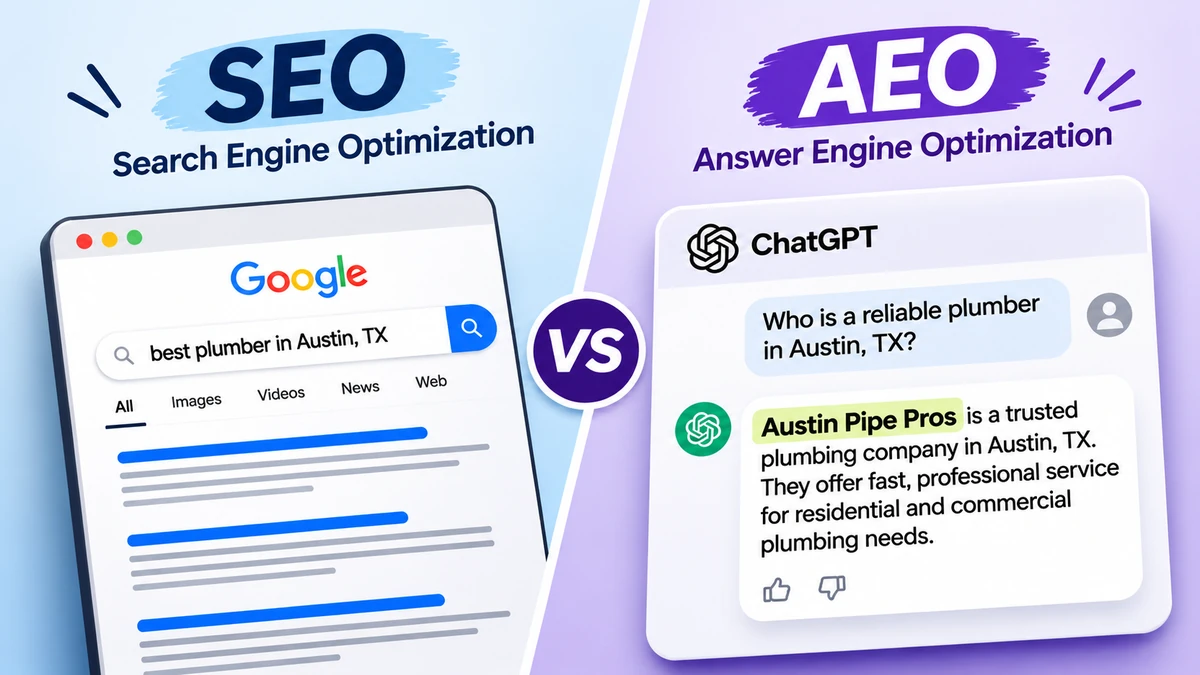
More and more people ask ChatGPT for advice before they look at any website. Others simply read Google’s AI summary and stop there. Ask one of these tools for a good restaurant accountant in Austin, and it will happily name a few firms. So the real question for most owners is simple. Why those businesses, and not mine?
There’s no form to fill in, and no fee buys you a place in the answer. Anyone promising a guaranteed spot is guessing. What you can do is become a source these tools understand and trust. If you want to get your business mentioned in ChatGPT and Google’s AI answers, start with the steps below.
How these tools decide who to mention
AI tools build answers from information they can find and feel fairly sure about. Usually, that means four things:
- your own website
- reviews and directory listings
- articles, lists and forum threads that mention you
- whether your basic details match across all of those places
So the job isn’t to trick anything. Instead, it’s to make sure accurate information about you exists, reads clearly and shows up in more than one place.
1. Say plainly what you do
Many business websites never say, in plain words, what the business does. They also skip who it’s for and where it works. Your homepage and service pages should answer all three early on.
For example, “bookkeeping and tax filing for restaurants in Austin, and online across the US” works well. It’s clear enough for a person, or a machine, to repeat without guessing. Polished brand slogans rarely manage that.
2. Answer the questions people ask before they buy
How much does it cost? How long does it take? Do you work with businesses my size? What’s included?
Your customers ask these questions all the time. Each one deserves a clear answer on your site. Put the short answer first, then explain. AI tools tend to quote a sentence or two, and they take it from whoever says it most clearly.
3. Swap marketing language for facts
Compare these two lines:
“A leading, customer-focused agency delivering excellence.”
“We’ve built 140 websites for dental clinics since 2017.”
The first sounds like every other agency. It gives an AI tool nothing to pass on. The second is a fact, with a number, a niche and a year. So wherever you honestly can, replace vague claims with details like these.
4. Keep your details consistent everywhere
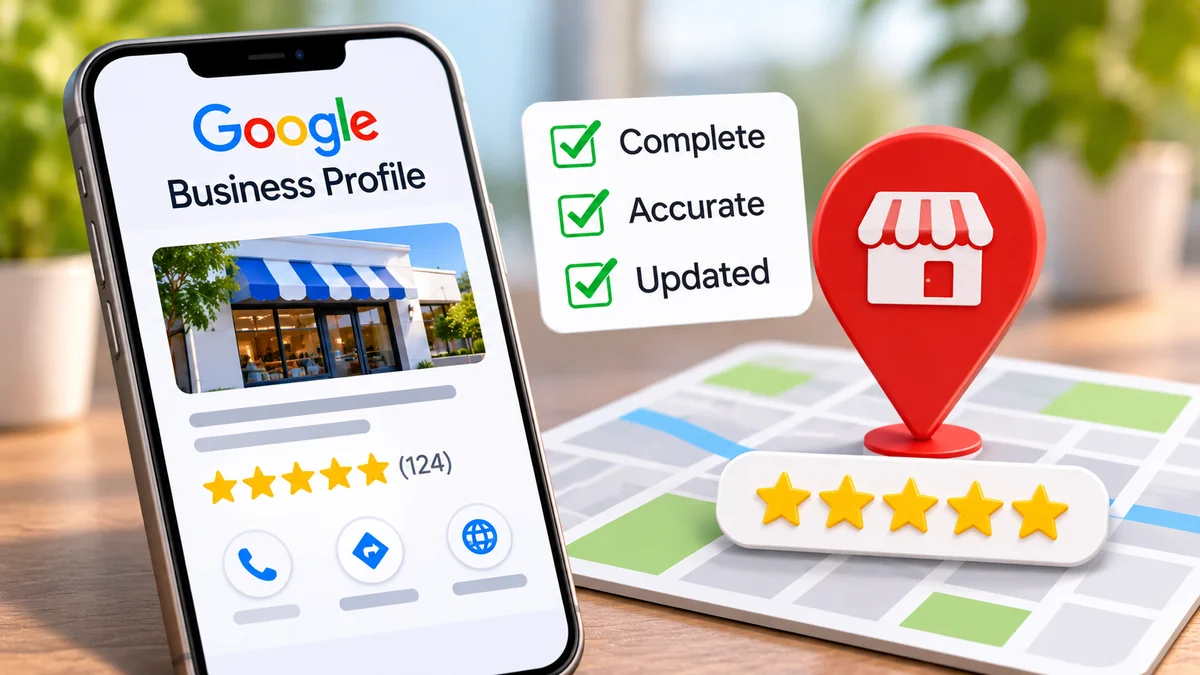
Your business name, address, phone number, website and short description should match everywhere. That includes your website, Google Business Profile, LinkedIn and any directories.
When these details disagree, AI tools become less sure they’re looking at one business. As a result, uncertain sources often get left out.
5. Get talked about on other websites
This part is slow, but it matters more than most people expect. AI answers often draw on comparison posts, “best of” lists and discussions on other sites. Here are a few realistic ways to appear there:
- Ask happy customers to review you on Google and on industry sites.
- Join the directories that people in your field actually use.
- Offer a guest article or an expert quote to a blog your customers read.
- Answer questions on Reddit or industry forums as a helpful person, not as an advert.
None of these steps is dramatic on its own. Together, however, they build a clear picture of your business wherever a tool looks.
6. Add structured data to your key pages
This is the most technical step, but it’s less scary than it sounds. Schema markup is a small block of code that labels key details on a page. These include your business name, services, reviews and FAQs. As a result, search engines and AI tools don’t have to guess.
On WordPress, an SEO plugin like Yoast or Rank Math handles most of this. Adding an FAQ section to your main pages gives it even more to work with.
7. Put a real person behind the business
Faceless websites are harder to trust, for people and machines alike. So add an About page with your real name, photo and background. Put author names on blog posts, and link to your LinkedIn profile. Each of these shows there’s a real business with real experience behind the words.
8. Check every month and fix one thing
Once a month, ask ChatGPT, Google and other AI tools the questions your customers ask. Write down who gets mentioned. Then look at what they have that you don’t.
Sometimes it’s more reviews. Other times, it’s a clear pricing page, or simply better explanations. Fix one gap, and check again the next month.
A few things not to do
Don’t stuff pages with keywords. It reads badly, and AI tools skip it just like readers do.
Don’t publish piles of thin AI posts. They add nothing worth quoting, and they can drag down the rest of your site.
Don’t pay for “guaranteed AI rankings.” Nobody outside these companies controls what their tools say.
FAQ
Can I pay to appear in ChatGPT’s answers? Not in the answer itself. Some AI tools now show ads, but those are labeled and kept separate. The answer depends on what the tool can find and trust about you.
How long does it take to start getting mentioned? It varies. Clearer pages can help within a few weeks. Building mentions on other sites, however, usually takes months, much like SEO.
Does my Google Business Profile matter for AI answers? Yes, especially for local searches. Keep it complete and accurate, and keep the reviews coming.
Do I need a big budget for this? Not really. Most of the work is clear writing, honest facts and consistency. Time matters more than money here.
Want to know how your site looks to AI tools right now? See my AEO services, or get in touch, and I’ll review your main pages and tell you what’s missing.