Spend any time around marketing people this year, and someone will tell you SEO is fading and AEO is the future. It’s a tidy story, and it sells plenty of new services. However, it isn’t really how either one works.
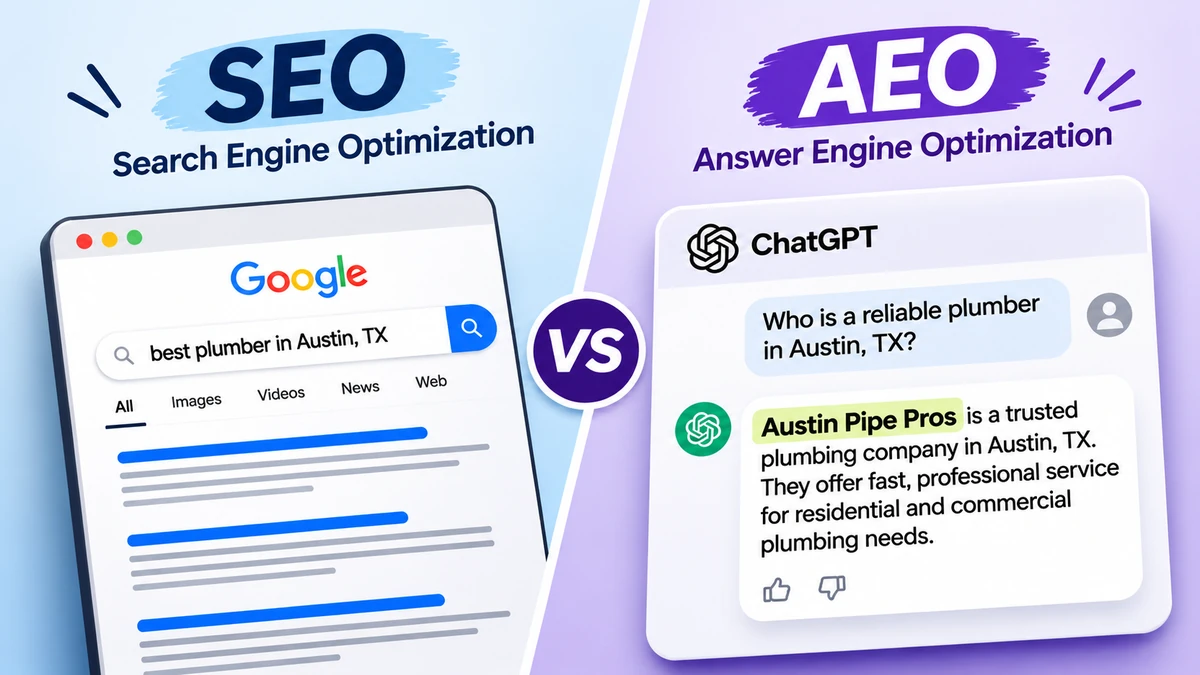
The AEO vs SEO debate is mostly about emphasis. Both aim to put your business in front of people who are searching. They simply target different parts of the screen. In practice, the work behind them overlaps far more than most sales pitches admit.
What SEO means, without the jargon
SEO stands for search engine optimization. It covers everything that helps your website appear when someone searches on Google or Bing.
Some of it is easy to see, like writing pages around the words people actually type. Much of it is hidden, though. That includes a fast website, a clear structure and links from other sites that found your content useful.
The goal has always been simple. Someone searches, sees your link and decides it’s the one worth clicking.
What AEO means, and where GEO fits
AEO stands for answer engine optimization. Instead of chasing a spot in a list of links, it aims to get your business into the answer itself.
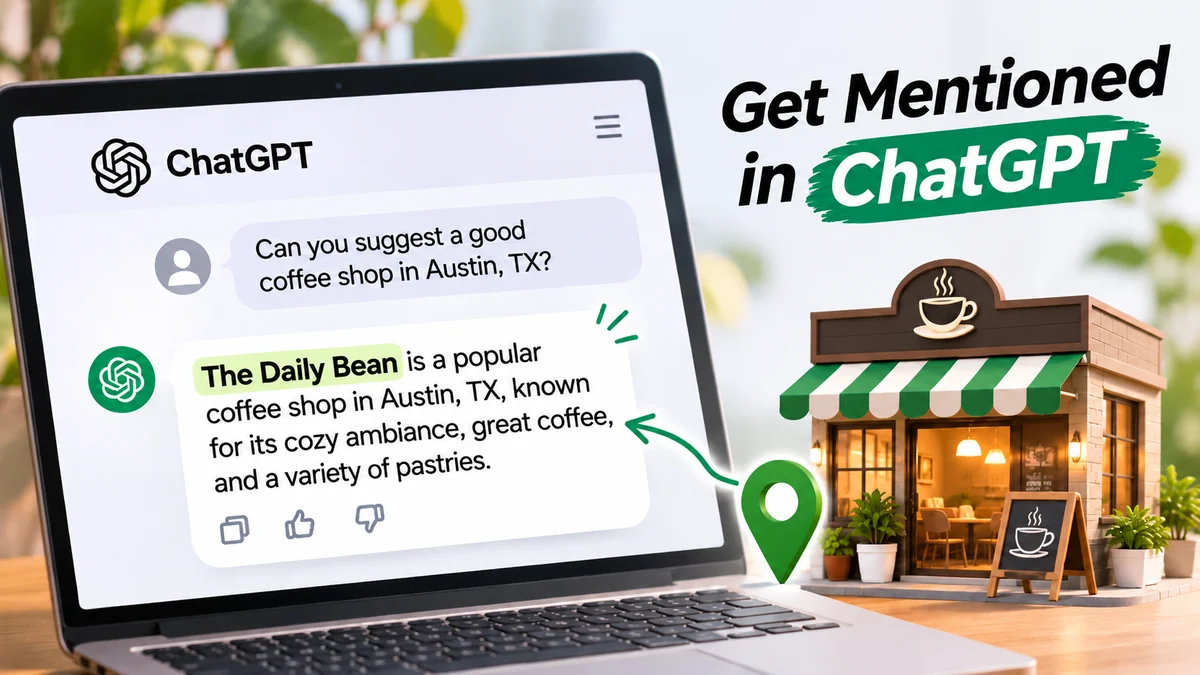
That answer might be a ChatGPT reply. It might be the AI summary at the top of Google, or a sentence that a voice assistant reads aloud. In many of these cases, nobody clicks anything, because they already have what they need.
You’ll also see the term GEO, short for generative engine optimization. It focuses more on AI chat tools like ChatGPT and Perplexity. For a small business, though, the two labels describe almost the same job. So don’t worry too much about which one an agency uses.
Why the two overlap so much
AI tools don’t invent answers from nothing, or at least they’re not supposed to. Instead, they pull from pages they can find, read and trust. Those are usually clear, well-organized pages from real businesses. In other words, they’re pages that already do well in SEO.
This is the point many people miss. When you improve your SEO properly, you’re also doing a large part of AEO.
| SEO | AEO | |
|---|---|---|
| Main goal | Clicks from search results | Being quoted or named in AI answers |
| Where it shows up | Google and Bing results | ChatGPT, Google’s AI answers, voice assistants |
| What helps most | Useful pages, speed, links, keywords | Direct answers, clear structure, trust, specific facts |
| How you track it | Rankings, traffic, enquiries | Mentions, branded searches, enquiries |
What AEO adds on top of SEO
Where AEO does differ, it’s mostly about writing more directly.
Answer early. Say a page is about the cost of a kitchen remodel. The actual price range should sit near the top, not nine paragraphs down. AI tools look for a clear, self-contained sentence they can lift and repeat.
Use real questions as headings. Your sales calls and emails are full of them. A heading like “Do you work weekends?” is concrete and useful. By contrast, “Our availability” tells readers and machines very little.
Add a short FAQ. Keep the questions real and the answers honest and brief. This helps readers, and it also gives AI tools tidy facts to quote.
Be specific. “We’ve installed 300 solar systems in Arizona since 2018” is a fact an AI tool can pass on. “The leading solar company” gives it nothing to work with. Readers have skipped that kind of phrase for years, so this change helps everyone.
Show the person behind the content. A real name, a photo and some sign of experience all build trust. Both Google and AI tools lean toward sources they can verify.
Where a small business should start
If your time and budget are limited, I’d follow this order:
- Fix the basics first. Your site should be fast, work well on phones and have a clear page for each service. Without that, little else works.
- Answer real customer questions. Build or rewrite pages around the questions people actually ask. This one step helps both SEO and AEO.
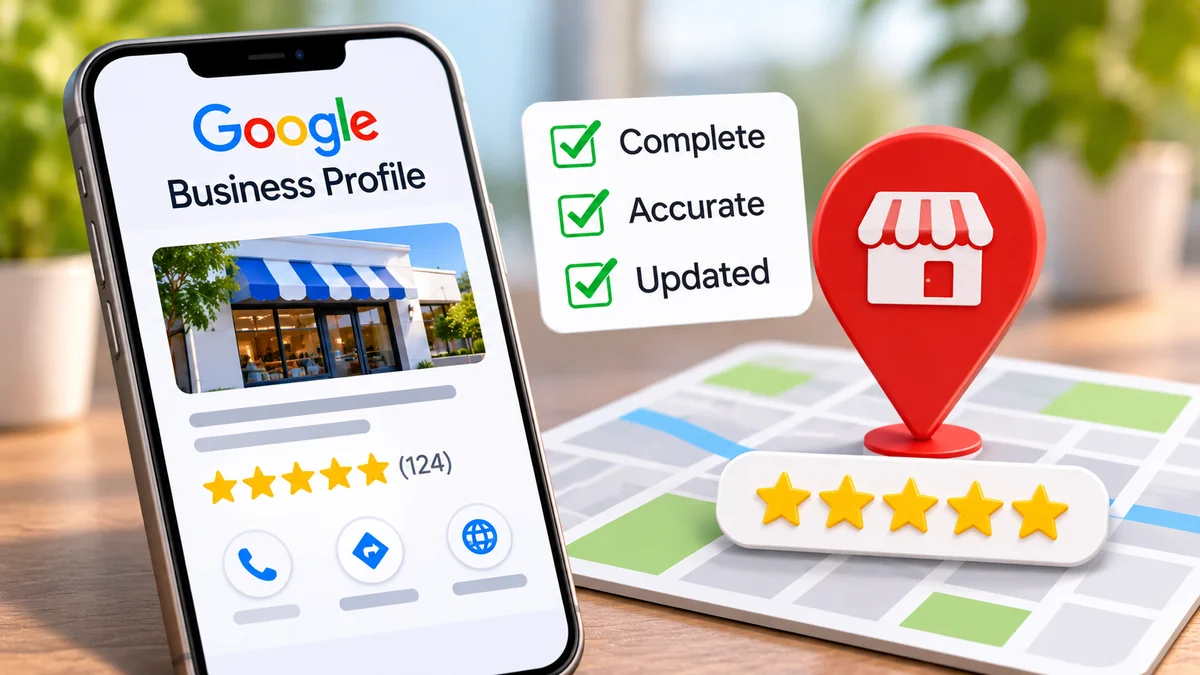
- Keep your Google Business Profile complete, if you serve local customers. AI answers draw on it as well.
- Then add the AEO extras. These include short answers at the top of key pages, FAQs and concrete facts about your business.
I’d avoid any “AEO-only” package that ignores the state of your website. That’s like repainting a house while the roof still leaks.
Is SEO dead because of AI?
No. In fact, SEO has been declared dead so often that it’s become a running joke in the industry.
People still search. They still click when they want to compare options, check prices, book something or read more. What has changed is that simple questions now often get answered without a click.
As a result, the advantage moves to content that’s useful, specific and written by someone who knows the subject. That’s good news for small businesses. After all, you know your customers far better than any national competitor does.
FAQ
What’s the difference between AEO and SEO, in short? SEO aims to get you into the list of search results. AEO aims to get you into the answer above, or instead of, those results.
Is AEO the same as GEO? Nearly. GEO usually refers to AI chat tools like ChatGPT. AEO is a slightly wider term that also covers voice assistants and featured answers. For most small businesses, the work is the same.
Can I do AEO without SEO? Not really. AI tools rely on pages that are already well structured and trusted. Building those pages is exactly what SEO does.
How can I tell if AI tools mention my business? Ask them. Type your customers’ usual questions into ChatGPT and Google. Then note who shows up and what’s said about them.
Curious where your own site stands? Run a page through the free Flow Checker, or send me a message and I’ll take an honest look. You can also see how my AEO services work.